
Foam-filled tires have become increasingly popular in recent years due to their low rolling resistance, improved safety, and increased fuel efficiency. They are becoming the go-to choice for commercial vehicles, especially with the rising cost of traditional rubber tire production. However, when looking at foam-filled tires from a sustainability perspective, there are some environmental impacts that need to be taken into consideration. If you’re wondering how to foam fill tires, the process involves carefully injecting the foam sealant into the tire to improve its resistance to punctures and enhance overall performance.
 Environmental Impacts of Foam-Filled Tires
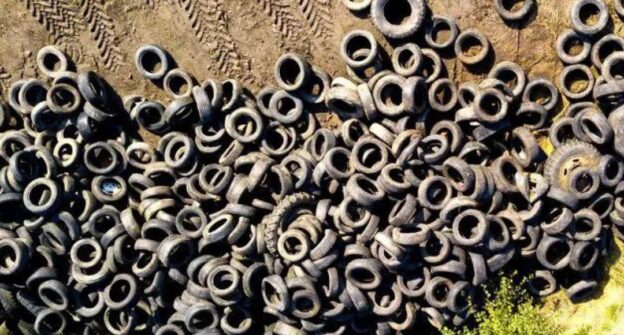
Foam-filled tires have the potential to create a considerable amount of waste if they are not recycled properly. The foam used to fill the tires is made from petroleum-based materials, and when it is disposed of in landfills, it can be difficult to break down and can cause pollution. Additionally, the production of foam-filled tires creates byproducts and emissions that can add to air and water pollution.
 Sustainability Considerations for Foam-Filled Tires
One way to ensure that foam-filled tires are produced in a sustainable manner is to use recycled or recyclable materials during production. Additionally, using renewable energy sources for the foam filling process can reduce environmental impacts and greenhouse gas emissions. It is also important to ensure that proper waste management is used for any of the byproducts produced during foam tire production.
 Recycling Considerations for Foam-Filled Tires
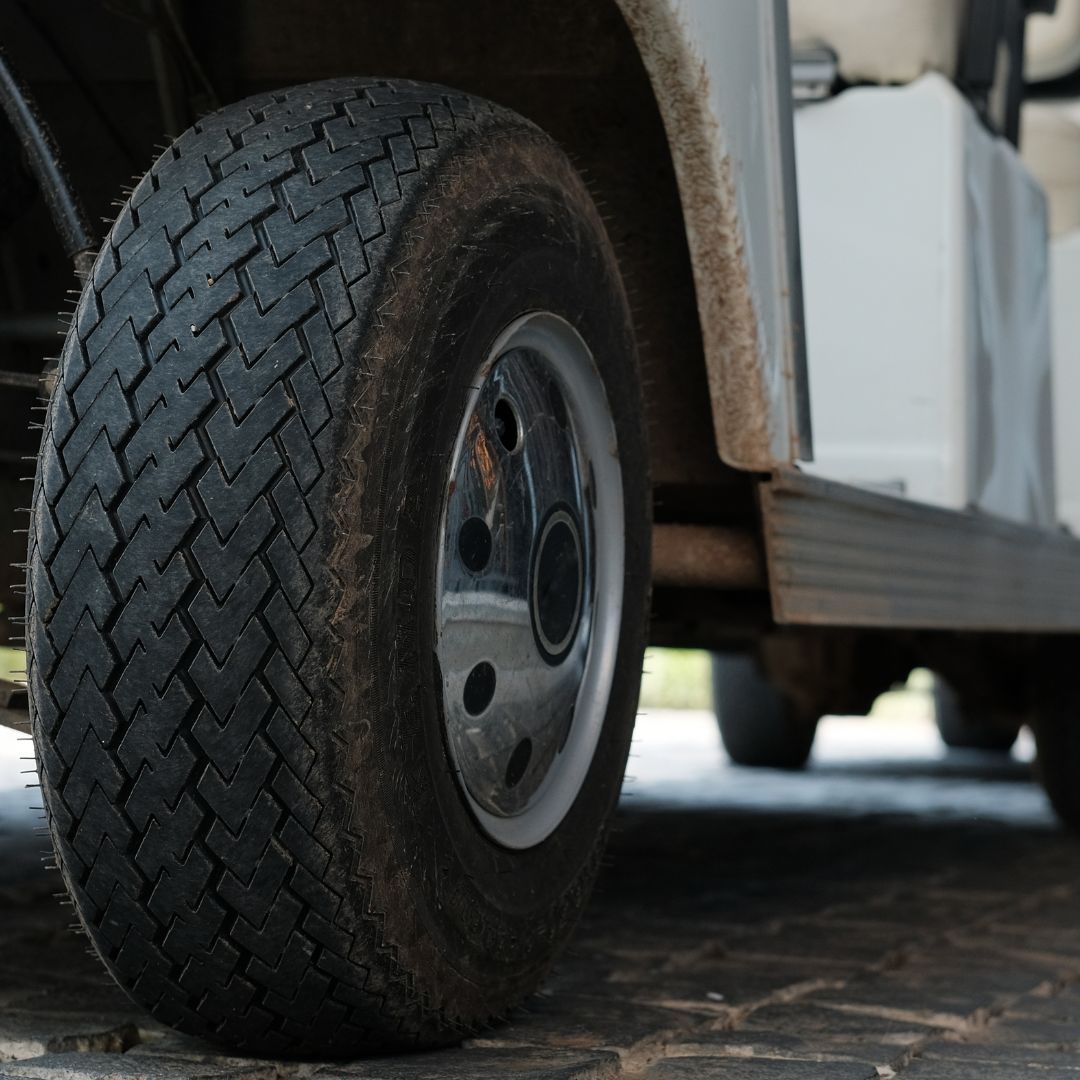
Foam-filled tires can be recycled in a number of ways, depending on the type of tire and foam being used. One option is to send them to a facility that specializes in recycling foam-filled tires, where they will be broken down into their individual components and reused or recycled as appropriate. Additionally, some companies may offer services for reusing the tires, such as retreading or grinding them down for use in other applications.
Overall, foam-filled tires are becoming increasingly popular due to their improved safety, fuel efficiency, and low rolling resistance; however, they can present some environmental concerns if they are not produced or disposed of in an eco-friendly manner. By using recycled materials during production and ensuring proper waste management protocols are followed throughout the process, foam-filled tires can be produced and disposed of in a sustainable manner. Additionally, recycling foam-filled tires is an excellent way to reduce environmental impacts while still enjoying the benefits that they offer.
Conclusion
Foam-filled tires are becoming increasingly popular due to their increased safety and fuel efficiency, but it is important to consider the environmental impacts associated with their production and disposal. By using recycled materials during production, utilizing renewable energy sources, and properly managing waste products, foam-filled tires can be produced in a sustainable manner. Additionally, recycling and reusing foam-filled tires will help reduce the amount of waste associated with their use. By taking the necessary steps to ensure sustainability, foam-filled tires can continue to remain a popular choice for commercial vehicles.